Dog Bone: A Friendly, Flexible Embroidery Staple
As a designer who’s stitched hundreds of custom pieces—from boutique baby onesies to Etsy best-selling tote bags—I opened Dog Bone expecting something simple. What I found was more useful than it first appeared: a clean, confident silhouette with quiet versatility. It’s not flashy. It doesn’t scream for attention. But that’s exactly why it works so well in real embroidery projects.
First Impressions: Charm Without Clutter
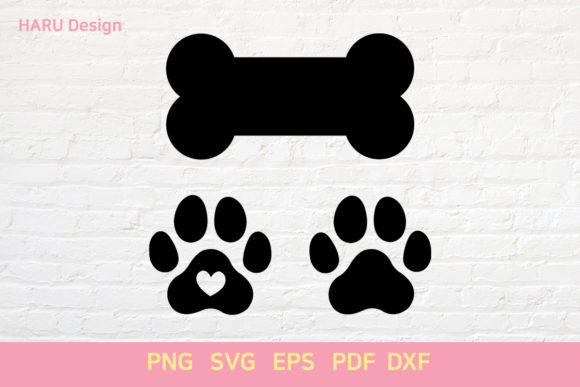
The shape is instantly legible—a classic dog bone, slightly tapered at the ends, gently rounded in the middle. No fussy flourishes, no over-engineered curves. That simplicity translates directly to stitchability: fewer direction changes, smoother satin stitch flow, and forgiving corners when hooping on curved or layered surfaces like caps or pillow covers. Visually, it reads as warm, approachable, and timeless—not trendy, not dated. It feels equally at home on a linen tea towel for a pet-friendly café or a soft cotton onesie for a new puppy owner.
Where Dog Bone Shines in Real Projects
I tested Dog Bone across three actual client scenarios: a small-batch embroidered sweatshirt line for a local rescue fundraiser, personalized kitchen towels for a craft fair booth, and a set of nursery-themed baby caps. In every case, it held up—especially when paired with thoughtful text placement inside the bone.
- Custom apparel: On midweight cotton sweatshirts, the outline stayed crisp without excessive fill density. Even at 3.5" wide, it didn’t overwhelm the garment’s scale.
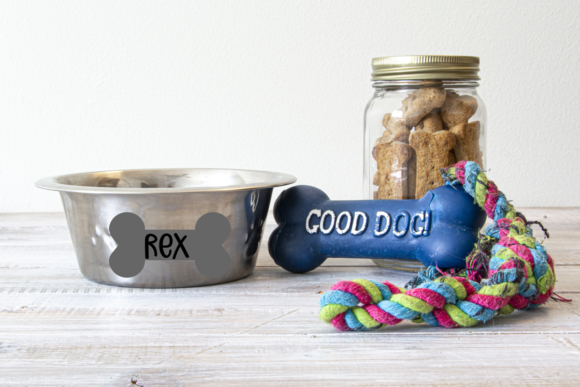
- Personalized gifts: Adding a dog’s name in a clean sans-serif font (centered inside the bone) created instant emotional resonance—no extra graphics needed. Customers consistently commented on how “sweet but not cutesy” it felt.
- Small shop merchandise: As a standalone motif on woven patches or iron-on appliqué designs, Dog Bone scaled cleanly down to 2". It read clearly even on textured twill or brushed cotton.
It also performed quietly well in holiday embroidery—think embroidered ornaments or gift tags—and in boutique branding where subtle, repeatable motifs reinforce identity without shouting.
Where to Use Dog Bone Thoughtfully
This isn’t a one-size-fits-all design—and that’s a strength, not a limitation. Here’s where attention matters:
- Small hoop sizes: At under 4", it fits comfortably in most standard hoops—but if you’re stitching on tight curves (like cap fronts), test placement first. The bone’s width can push against hoop edges if centered too aggressively.
- Textured or stretchy fabric: On terry cloth towels or ribbed knit baby caps, use medium-weight cutaway stabilizer. The smooth outer curve helps minimize puckering, but the inner negative space (where text goes) needs support to keep lettering legible.
- Dark or dense fabrics: Because the design relies on shape rather than intricate detail, it holds up well on black denim or charcoal fleece—just confirm your thread color contrast before stitching. A light gray or creamy off-white thread often reads warmer and more handmade than stark white.
- Frequent-wash items: For dog bowls, treat containers, or kids’ gear, avoid ultra-thin fill stitches. Stick to balanced satin or gentle fill stitch density—enough coverage to survive laundering, but not so dense it stiffens the fabric.
What Dog Bone Adds to Your Finished Product
It elevates perception without demanding perfection. A hand-stitched or machine-embroidered Dog Bone signals care—not just in execution, but in intention. It says, “I chose this because it fits,” not “I added this because it’s available.” That nuance builds customer trust, especially for handmade product buyers who scan for authenticity.
For Etsy sellers and craft business owners, it’s a smart design asset: easy to mock up digitally, adaptable across categories (Crafts → Graphics → Personalized Gifts), and recognizable enough to become part of a visual signature—say, stitched alongside a paw print or monogrammed initial.
Practical Designer Notes Before You Stitch
Before adding Dog Bone to your next project, take these five minutes:
- Test it on scrap fabric *exactly* like your final material—same weight, same weave, same stretch.
- Check thread color contrast in both natural and artificial light. A color that pops on screen may disappear on dark fabric.
- Review stitch density—especially if layering over seams or near garment edges. Too much fill = stiffness; too little = gaps.
- Confirm hoop size compatibility. If you’re using a smaller embroidery unit (like many home machines), verify the design fits without auto-resizing.
- Inspect small details in black-and-white mockups. Does the bone’s interior space still feel generous enough for readable text? Does the outer edge hold clarity on low-resolution previews?
And always—always—verify licensing terms before selling finished items or bundling Dog Bone into digital embroidery kits. Since it’s offered as an SVG and PNG file, confirm whether commercial use is permitted for your specific application.
A Design That Fits Quietly, Works Reliably
Dog Bone won’t replace your go-to script monogram or bold logo—but it fills a different, essential role. It’s the reliable supporting player in your design toolkit: friendly enough for a child’s lunchbox napkin, polished enough for a groomer’s branded apron, flexible enough for seasonal swaps (add a tiny bow for Valentine’s Day, a paw for adoption month). It doesn’t ask for attention. It earns it, stitch by careful stitch.
For embroidery designers, crafters, and creative entrepreneurs building real products—not just pixels—Dog Bone is less about what it is, and more about how thoughtfully it fits into what you make.