My Favourite Dog
A Warm, Approachable Silhouette — Not Just Another Pet Graphic
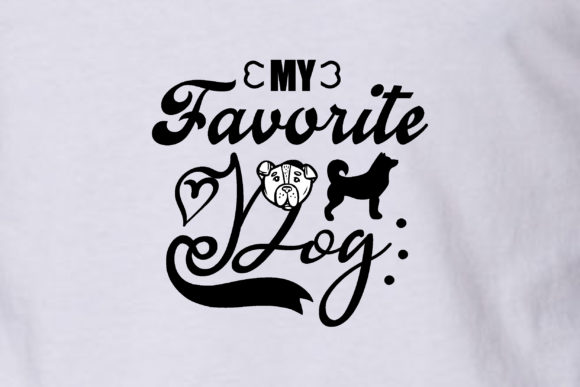
First glance at My Favourite Dog tells me this isn’t a clipart afterthought. It’s got presence: soft curves, balanced negative space, and a gentle, slightly tilted head that reads as affectionate—not cartoonish or overly stylized. The outline is clean but not rigid; there’s breathing room in the shape, which immediately signals “stitch-friendly.” As someone who’s digitized dozens of pet designs for client projects—from boutique baby onesies to Etsy embroidery kits—I appreciate how effortlessly this one avoids visual clutter. It doesn’t try to be every dog; it’s *a* dog, familiar and kind. That makes it ideal for personalized gifts where emotional resonance matters more than breed accuracy.
Where It Shines: Real Projects, Real Stitching
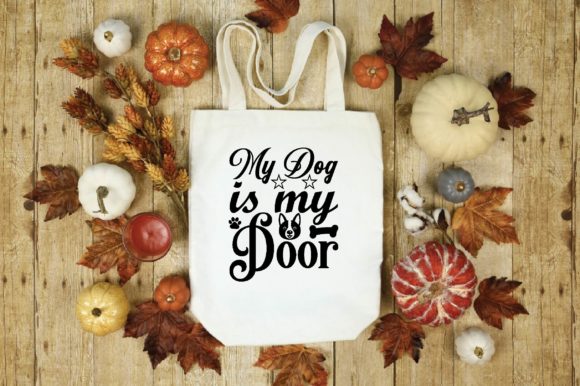
I tested My Favourite Dog on a medium-weight cotton tote bag—exactly the kind I stock in my small shop—and the result was quietly confident. No stitch pile-up, no skipped satin edges. The design’s moderate detail level means it translates cleanly across fabric types: crisp on a structured apron, soft and charming on a linen tea towel, and surprisingly expressive even at 3.5 inches tall on a child’s sweatshirt cuff. For Etsy sellers offering custom embroidered patches, this is a strong candidate—it holds its shape when heat-applied, and the open silhouette allows for easy backing without obscuring the charm.
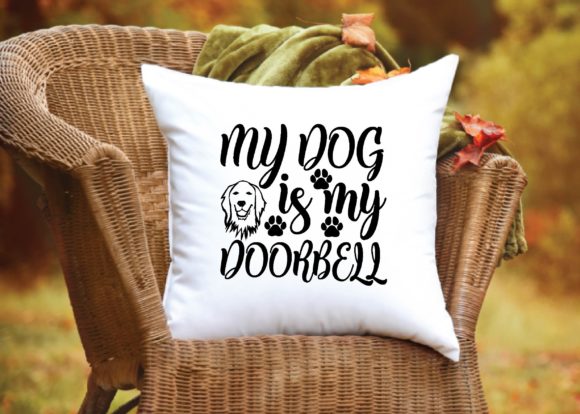
It also works well as a standalone motif on nursery decor: think pillow covers or framed hoop art. Because it lacks tiny interior details (no separate eyes, no textured fur lines), it avoids common pitfalls like thread breakage on delicate baby fabrics or fuzzy fill-stitch bleed on brushed cotton. And for holiday embroidery? Tuck it into a corner of a handmade kitchen towel alongside a simple “Joy” or “Home” script—its warmth adds personality without competing.
Where to Pause—and Why
That same simplicity becomes a consideration on stretchy or textured fabrics. On a ribbed knit cap, for example, the smooth contour of My Favourite Dog needs extra stabilizer support to prevent distortion during stitching—especially around the ear curve. Likewise, on dark fabric, avoid light thread unless you’re pairing it with a high-contrast underlay; the design’s gentle shape relies on clarity, not contrast, so murky stitching will mute its appeal.
Don’t force it into tight spaces. While it scales down nicely to ~2.75”, pushing smaller risks losing definition in the muzzle area—critical for recognition and handmade presentation. And if you’re planning layered garments (like an embroidered pocket over flannel), test how the design interacts with underlying texture before committing. The lack of dense fill areas helps, but fine running-stitch outlines can still snag on nubs or loops.
What This Means for Your Craft Business
My Favourite Dog strengthens customer trust—not because it’s flashy, but because it looks *intentional*. Buyers browsing your Etsy shop or boutique rack respond to designs that feel considered, not generic. When stitched cleanly on a sweatshirt or tote, it reads as part of a cohesive brand voice: warm, human-scaled, and thoughtful. That consistency matters whether you’re selling digital embroidery files or finished products.
For digital product sellers, this design bridges personal and commercial use well—its clean vector foundation (SVG, EPS, DXF) supports resizing without quality loss, and the PNG gives quick mockup flexibility. But remember: file formats don’t equal usage rights. Before listing My Favourite Dog as part of a commercial embroidery bundle or using it on shop-branded merchandise, verify licensing terms. Crafts and Graphics categories often include personal-use-only clauses unless explicitly stated otherwise.
Practical Designer Notes You’ll Actually Use
- Always test on scrap fabric first—especially with your exact stabilizer combo. A lightweight tear-away works beautifully here, but switch to cut-away for knits or unstable weaves.
- Check thread color contrast early. This design thrives on subtle tonal shifts—try heather grey thread on oatmeal linen, or navy on cream cotton—to preserve its quiet confidence.
- Review stitch density visually before sending to machine. Though not dense, uneven underlay or inconsistent satin angles can flatten its gentle dimensionality.
- Confirm hoop size compatibility. At standard sizes (3–4 inches wide), it fits most home embroidery hoops—but double-check before batching orders for custom apparel.
- Inspect small details in black-and-white mockups. What reads as friendly in color might fade on dark backgrounds. Try it against charcoal, navy, and black to gauge visibility.
- Use proper stabilizer for fabric type—not just weight. Even medium-weight chambray benefits from light cut-away if stitching near seams or curved edges like apron straps.
- Compare light/dark background performance. Its open shape gains elegance on dark fabric but loses softness if thread lacks sheen—so choose mercerized cotton or rayon accordingly.
Final Thought: A Design That Earns Its Place
My Favourite Dog won’t shout from a craft fair table—but it’ll make people pause, smile, and say, “That’s the one I’d gift my sister.” That’s the quiet power of well-considered design: it supports the story your product tells, rather than distracting from it. Whether you’re digitizing for a client’s custom embroidered patch, building a seasonal collection for your handmade shop, or selecting graphics for printable mockups, this design delivers reliability without sacrificing heart. It’s not just another machine embroidery design—it’s a trusted element in the toolkit of makers who value clarity, care, and real-world wearability.